Bunny Talk Font for Modern Web Design
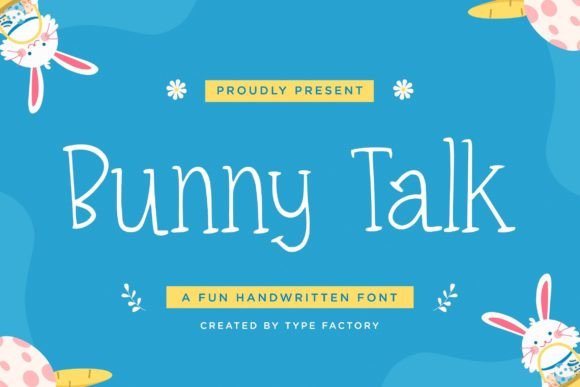
When integrating Bunny Talk into a digital interface, designers immediately notice how this Script Handwritten typeface bridges the gap between playful aesthetics and professional clarity. As one of the most versatile Fonts available for contemporary web projects, it offers a unique visual rhythm that captures attention without sacrificing readability. For UI designers and digital product creators, selecting the right typography is not just about style; it is about creating a cohesive user experience that guides visitors through content effortlessly. This font stands out because it retains the organic feel of hand-lettering while maintaining the structural consistency required for screen-based media.
Enhancing Visual Hierarchy in Hero Sections with Bunny Talk
Incorporating Bunny Talk into hero sections allows web designers to establish an immediate emotional connection with users. As a Script Handwritten display font, it commands attention when used for large headlines, breaking the monotony of standard sans serif body copy. Many Fonts struggle to maintain legibility at large sizes, but this typeface is carefully handcrafted to ensure smooth curves and balanced spacing. When used in landing pages or SaaS homepages, it adds a human touch that corporate defaults often lack. The key is to pair it with a clean, neutral sans serif for subheadings and body text, ensuring that the decorative nature of the headline does not overwhelm the informational content below.
Optimizing Readability for Mobile and Responsive Layouts
Using Bunny Talk on mobile devices requires careful consideration of scale and spacing. While it is a Script Handwritten font that looks stunning on desktop monitors, responsive design demands that we adjust line heights and letter spacing for smaller screens. Unlike many decorative Fonts that become illegible when scaled down, this typeface maintains its character integrity. Designers should avoid using it for long paragraphs on mobile; instead, reserve it for short, impactful phrases, button labels, or section dividers. This approach ensures that the font enhances the user interface rather than creating friction for users trying to scan content quickly on smartphones or tablets.
Leveraging Bunny Talk for Brand Identity in Digital Products
For digital product creators, Bunny Talk serves as a powerful tool for establishing a distinct brand voice. As a Script Handwritten typeface, it conveys warmth, approachability, and creativity, which are essential traits for brands targeting families, educators, or creative communities. Many generic Fonts fail to evoke specific emotions, but this font’s modern handwritten style suggests authenticity and care. Whether you are designing a course sales page, a coaching website, or a boutique online store, using this font in logos and primary headers can significantly boost brand recognition. It helps differentiate your digital presence from competitors who rely on safe, overused typography, giving your brand a memorable and friendly personality.
Strategic Font Pairing for Balanced Web Layouts
Effective web design relies on contrast, and Bunny Talk pairs exceptionally well with structured typefaces. As a Script Handwritten font, it provides the necessary decorative element, while a geometric sans serif or a classic serif font can handle the heavy lifting of body copy. This combination creates a visual hierarchy that guides the eye naturally from headlines to detailed information. When selecting complementary Fonts, look for options with similar x-heights to maintain vertical rhythm. For example, pairing this font with a lightweight sans serif for navigation menus and footers creates a balanced layout that feels both modern and organized. This strategy prevents the design from feeling chaotic, ensuring that the playful nature of the script font remains a highlight rather than a distraction.
Driving Conversions with Engaging Call-to-Action Elements
Integrating Bunny Talk into call-to-action areas can subtly influence user behavior and increase engagement. As a Script Handwritten typeface, it adds a personal invitation feel to buttons and promotional banners. While most Fonts used for CTAs are bold and aggressive, this font offers a softer, more inviting alternative that works well for lifestyle brands, children’s products, or creative services. Use it sparingly on "Sign Up" or "Learn More" buttons to make them stand out against a clean background. However, ensure sufficient contrast between the text color and the button background to maintain accessibility standards. This thoughtful application of typography can make interactive elements feel less like mechanical commands and more like genuine invitations to connect.
Applying Bunny Talk in Niche Digital Markets and E-Commerce
The versatility of Bunny Talk makes it ideal for niche markets such as kids-themed designs, educational platforms, and party planning services. As a Script Handwritten font, it aligns perfectly with industries that value fun and creativity. For online stores selling coloring books, birthday invitations, or handmade crafts, this typeface reinforces the product’s appeal directly on the website. Unlike rigid industrial Fonts, it communicates the joy and whimsy associated with these products. Designers can use it for product titles, special offer banners, or testimonial quotes to create a cohesive shopping experience. This alignment between typography and product type builds trust with the target audience, as the visual language matches their expectations for a friendly and engaging brand.
Ensuring Technical Performance and Licensing Compliance
Before deploying Bunny Talk across client projects, it is crucial to verify technical specifications and licensing terms. As a premium Script Handwritten typeface, it typically comes in web-ready formats such as WOFF and WOFF2, ensuring fast loading times and crisp rendering across browsers. When selecting Fonts for commercial use, always check if the license covers web embedding, digital ads, and template creation. Proper licensing protects both the designer and the client from legal issues while supporting the font creator. Additionally, test the font’s performance on various operating systems to ensure consistent appearance. By prioritizing technical reliability and legal compliance, designers can confidently use this font to enhance digital experiences without encountering unexpected hurdles during development or launch.